
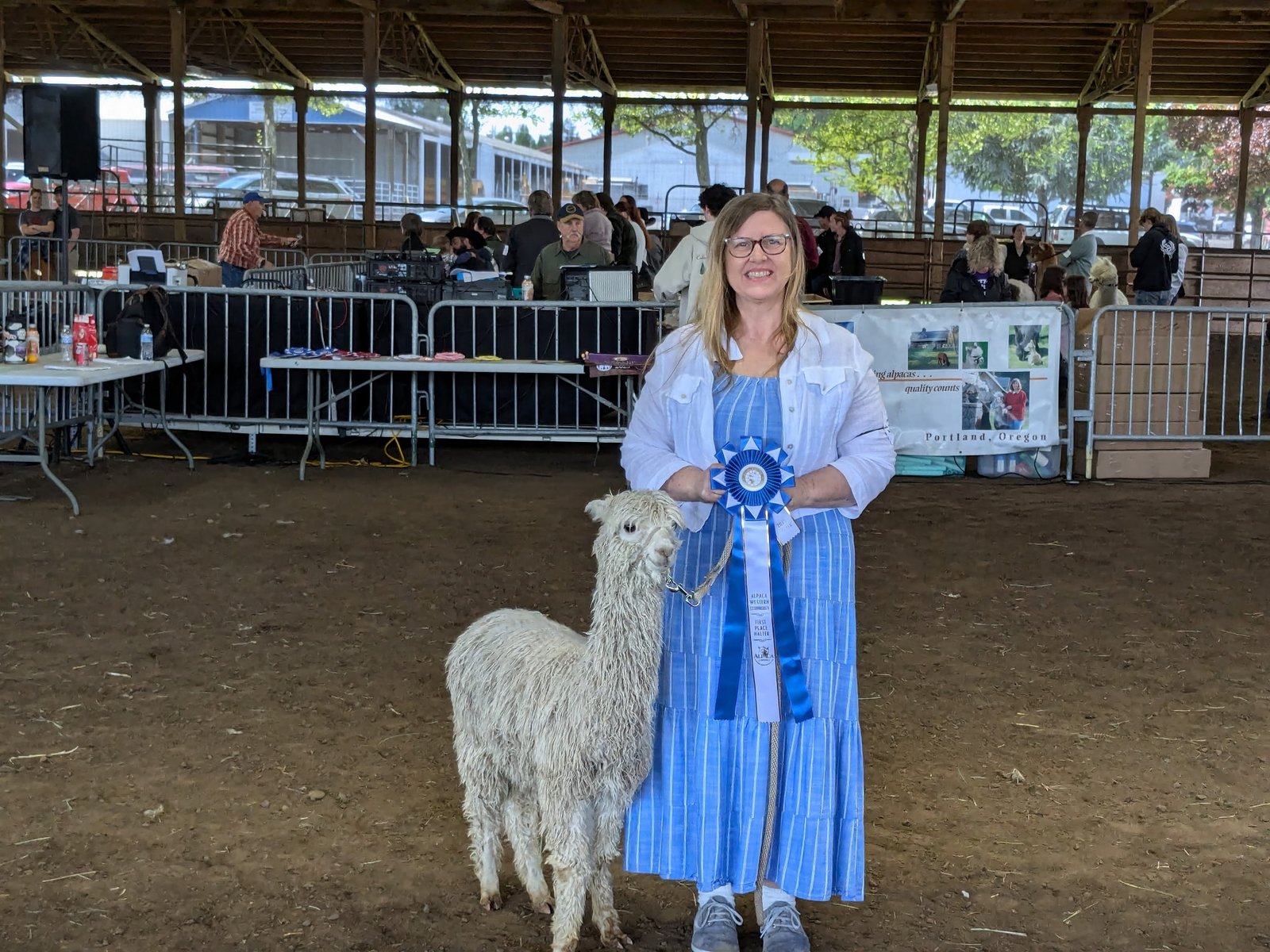
Welcome to our farm behind the store, and the story behind the farm! Here, every animal feels like part of our extended family, each with a unique personality and story. Get to know some favorites of our farm before you discover how our store and journey with alpacas began.
Meet Our Farm Favorites:
[Animal Photos and Details Coming Soon!]
- Starlight
- Penelope
- Chloe
- Natasha
- Little Z
- Peace
- American Patriot
- Saber
- Thunder
- Elude
Our Story:
Our family’s journey began with plot twists and lots of adventures. Years ago, we started with a small forest, a dog, chickens, and an idea for a livestock 4H project. Through a lot of long days, hard work, fun, and occasional muddy shoes, our farm grew – and so did our barn of animals. We moved to a new location with fields and pond, and there came many challenges but also fond memories along the way. With only 4 alpacas at the time, a prayer, an impression, and a surprise call, we adopted 26 wild alpacas and integrated them into the herd. We realized that we needed a way to feed our farm and help ministry focused, humanitarian, non-profit organizations. The store began after we saw the solution that we should share alpaca handmade goods, products and services, with our community and beyond. Every product and every person has a story, just like every animal here. We invite you to explore, meet our animals, and become part of our story.
Our Alpacas
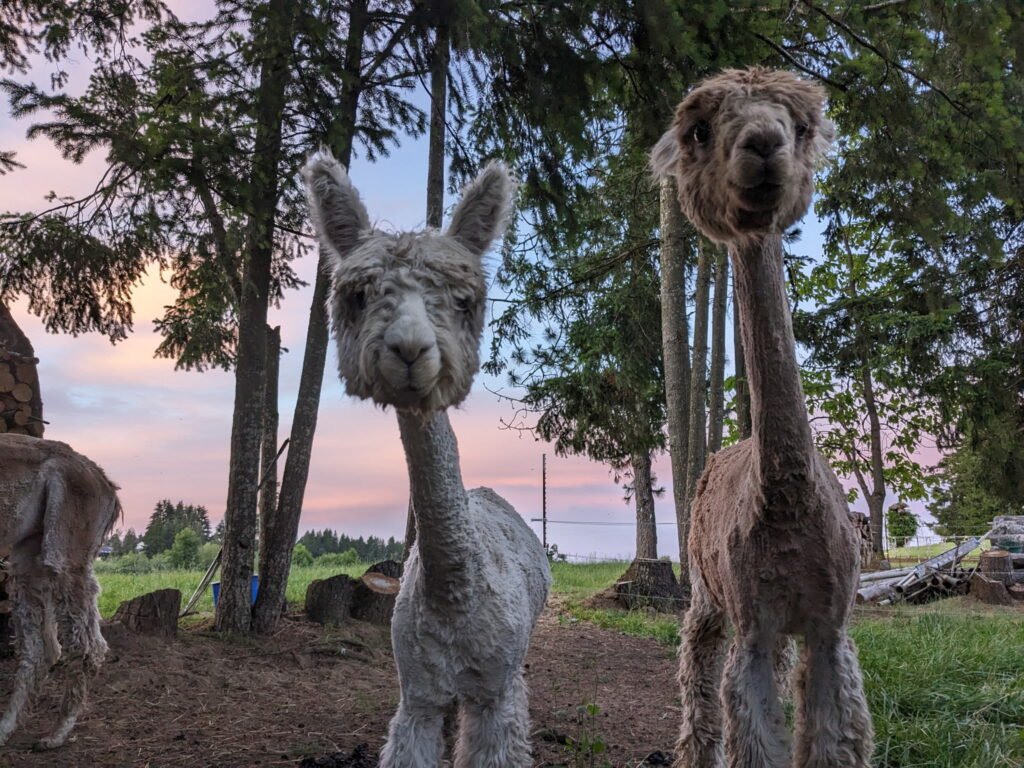
Alpacas are amazing. Each one has its own unique personality and backstory, collectively they have a social structure in community.
Amongst the females there is a matriarchy, of which some alpacas act as guards, food scouts, “muscle women”, prominent leaders, and the matriarch. Amongst the males there is a social structure and prestige standing, with standards of honor and living.
The older alpacas usually gain honor with the younger, but the younger alpacas can challenge the status of an older alpaca at some point in their introduction. The males wrestle better than a pro-wrestler. Their moves have been compared to Judo. They play-fight to get the females’ attention. They lose honor and status if they are pinned down by another alpaca for over about 10-30 seconds under a leg lock or neck grapple.
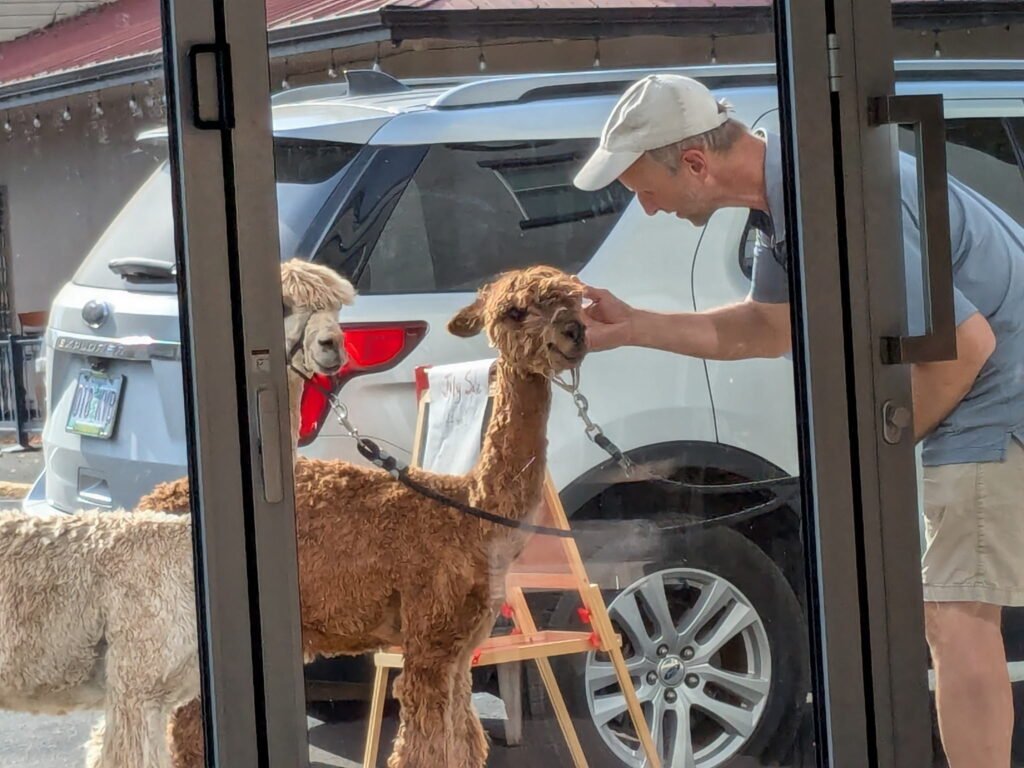
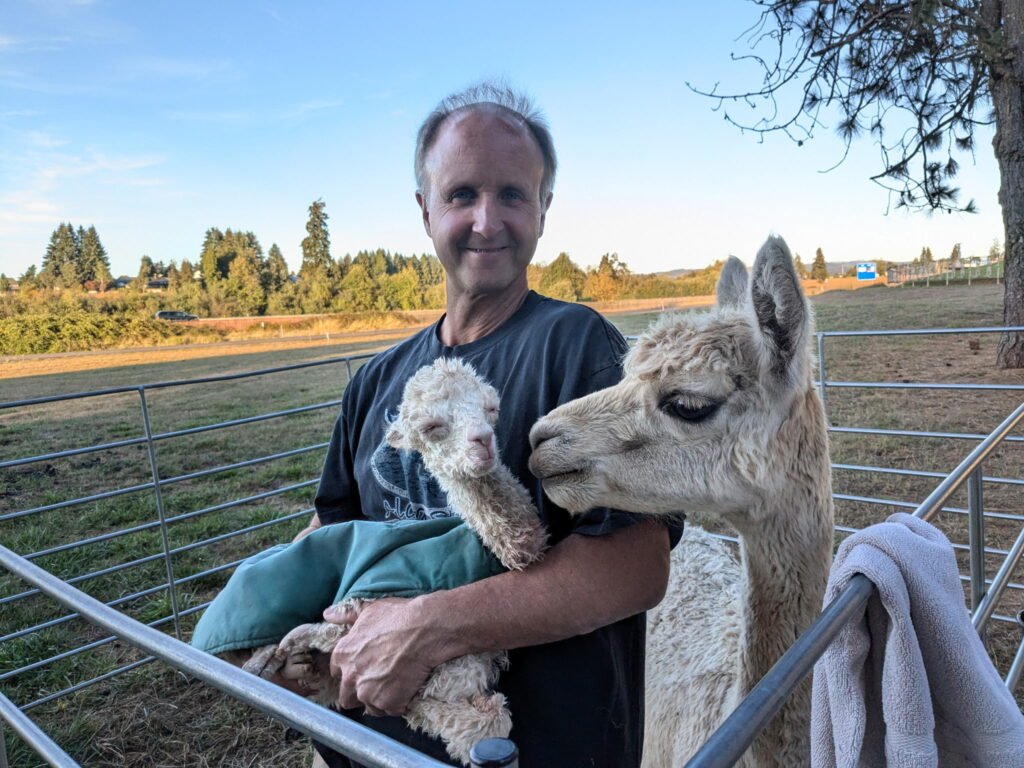
The females are much more docile. They like to touch noses with people to tell them they want pellet treats (“nibbles”). They are inquisitive creatures, with amazing smell memory and good sense of people and animals’ moods. They like to be around people they trust and can be good pets. Llamas are more assertive, but if they see you as a part of their herd, they will protect you.
The rare times when alpacas spit, it is because they think they are in great danger while cornered by an animal or person (or if they have a rare personality that just is annoyed with other alpacas while someone is feeding them). They argue over how much food they get, and if the others are getting their fair share. In those cases, they just blow hay or pellet treats at the other alpaca, saying, “I want more of that!” or “Wait your turn.”
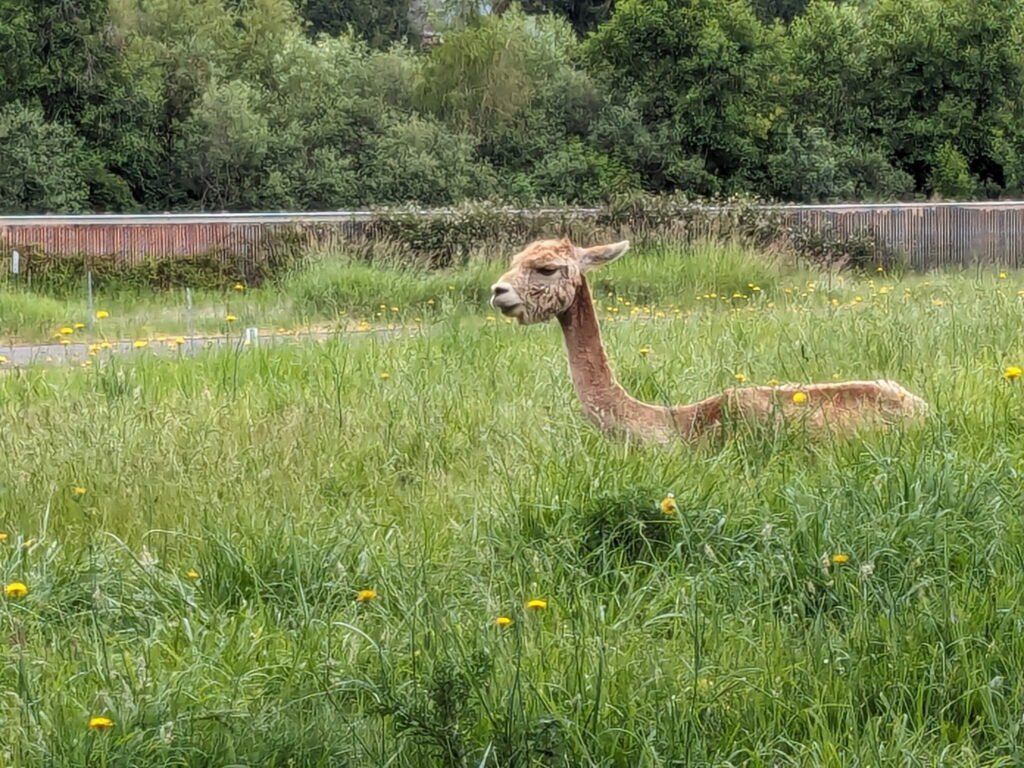
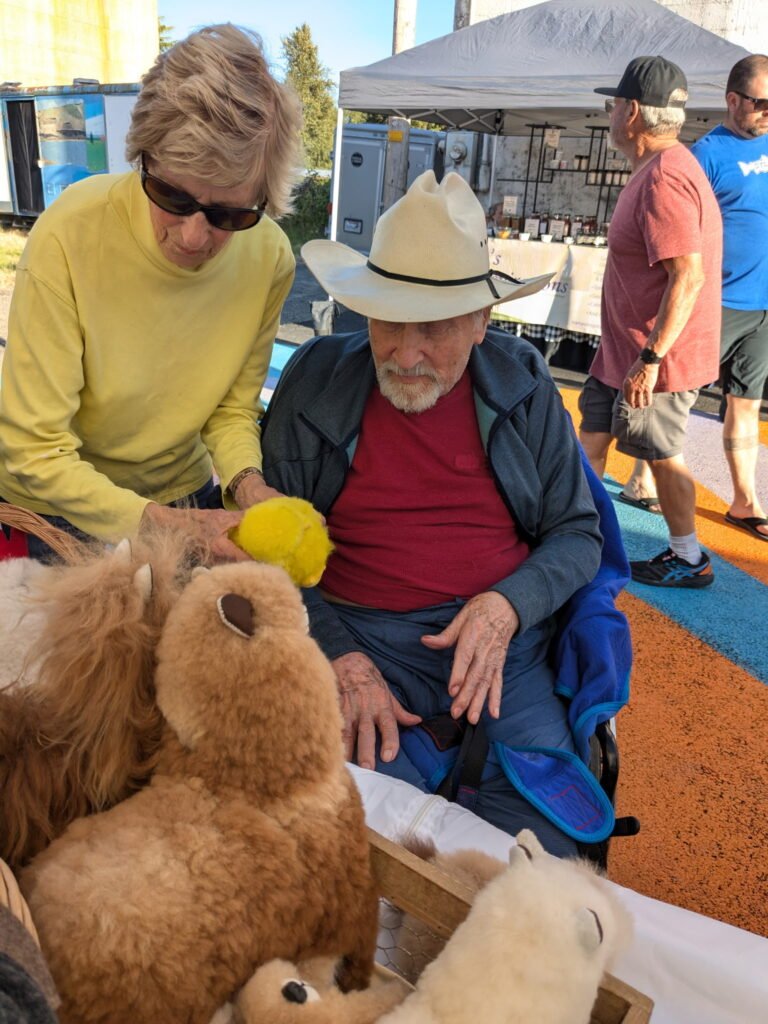
Although alpacas are somewhat docile, llamas (2-3x bigger than alpacas) will likely spit at you if you suddenly stop breathing and tense up when they try to smell your breath. They normally check someone’s breath smell to see if they know that person, as their nose is powerful and they appear to have a good scent memory. Llamas will blow in your face telling you who they are and will sniff your breath for a response. The noises people make when they smell a llama’s breath, with the motion of raising or turning away their heads quickly, seems to a llama like the person is about to spit. If they think you are about to spit, they try to spit first.
How to avoid getting spit on is to blow towards their nose as they come close to your face and basically keep blowing until they turn away in disinterest. If you have befriended a llama, they can be a nice pet. We have one funny, true story of our llama picking up blunt tools and seemingly attempting to hand them to a repair man on a roof, even responding to his surprised remarks.
Alpacas are sheared either once a year or once every two years, because their fiber (hair) gets hot during the summer months. They can last through winters quite well, but we give them coats if there is a big temperature drop. Their fiber can get too long that it becomes unmanageable, and they can get skin problems if they have a hard time getting dust baths. The shearing process is uncomfortable but not painful. Special padded cuffs are used by the shearers to make sure the alpacas stay still and don’t hurt themselves while being sheared.
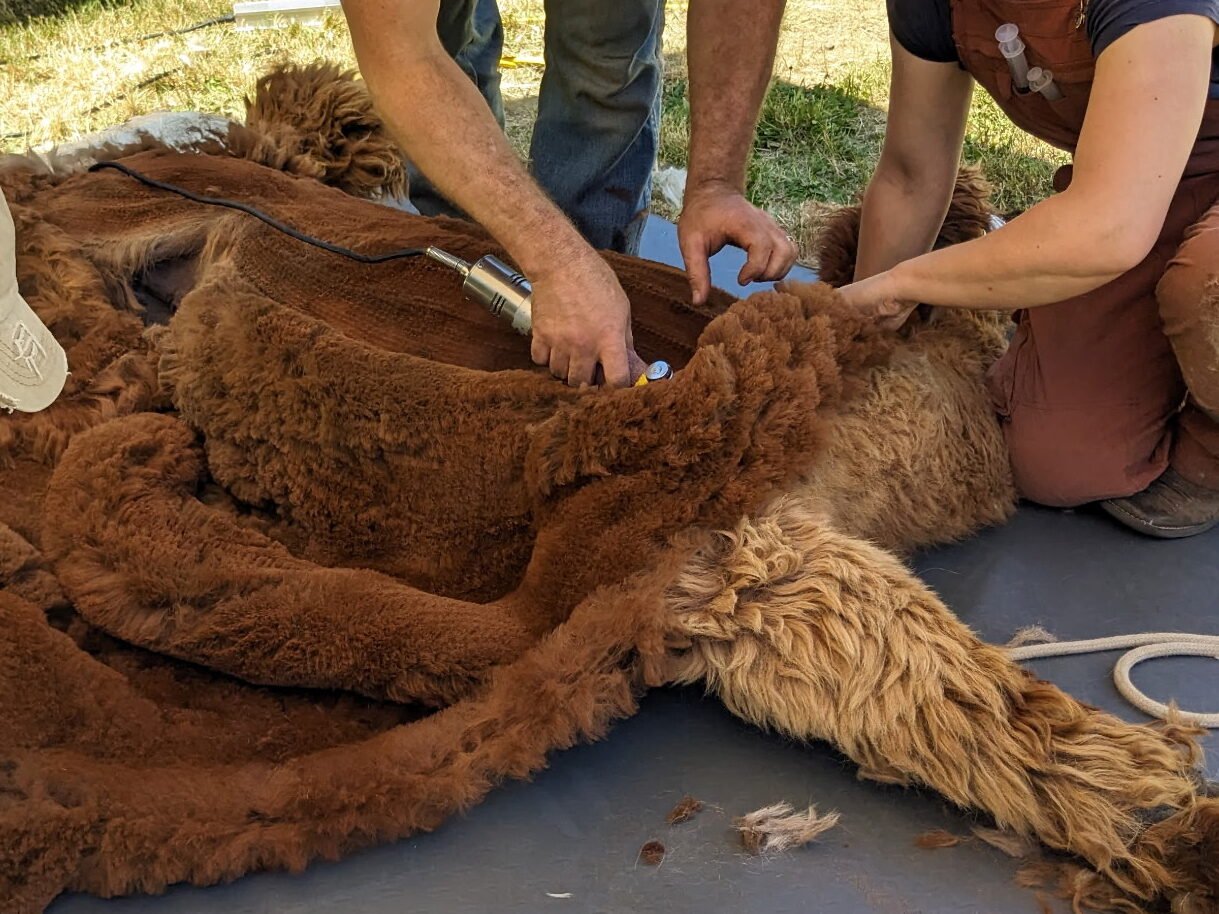
Their fiber is about 30% warmer than wool, and has other benefits, according to some research. They love water because of the insulating factor, and when we get the chance to spray them down, they really enjoy it. Some alpacas like stick their feet in water, while others avoid water except to drink it. Alpacas are somewhat cleanly and have communal bathrooms they establish that they usually keep away from their replenished food and water.
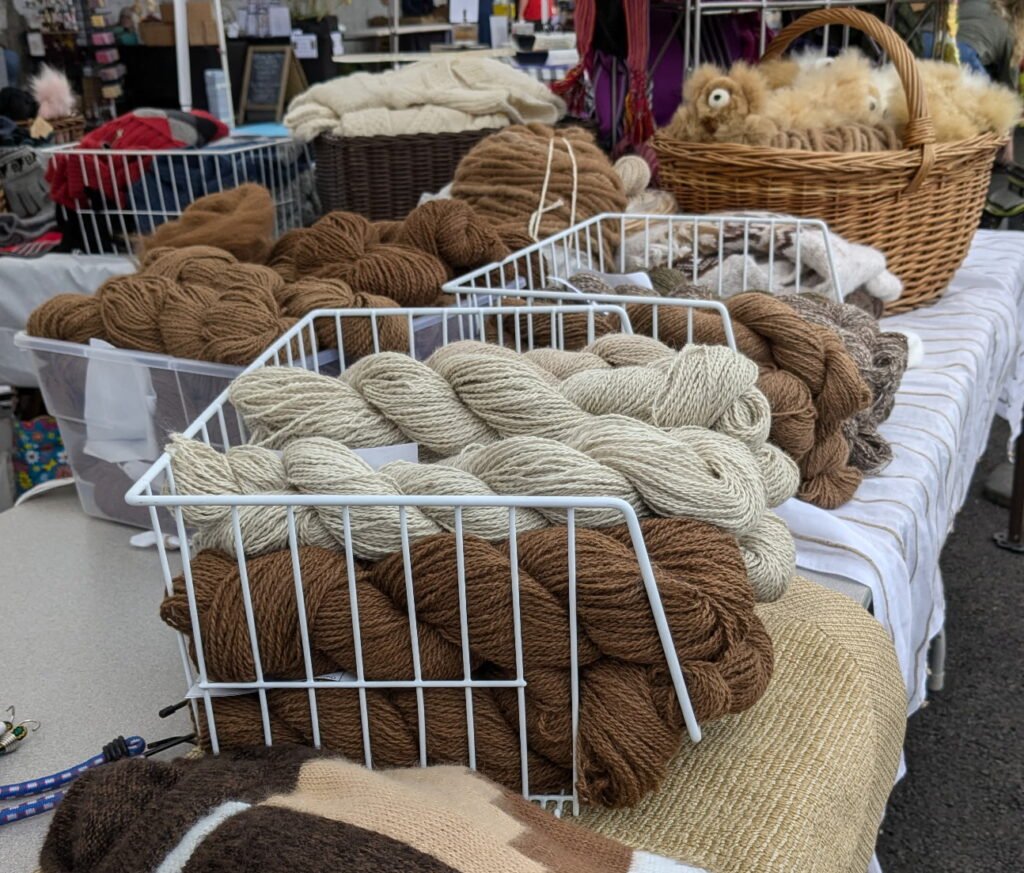
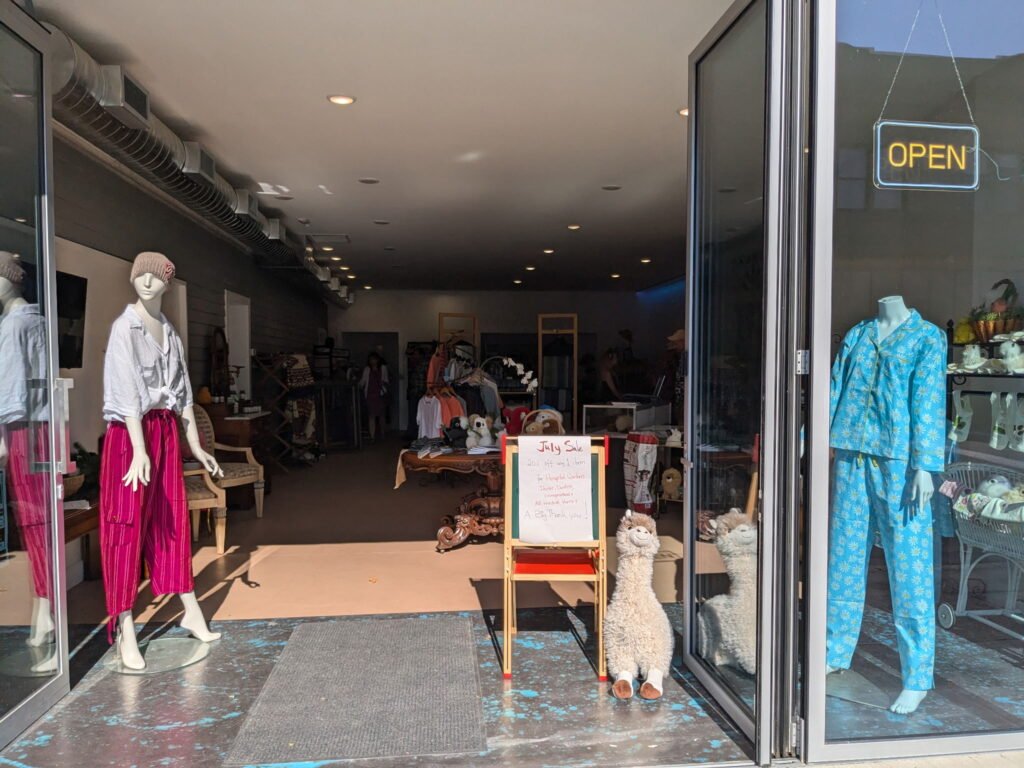
Feel free to browse our selection of finest alpaca, soft, and natural products in the store!
Check out a version of our story on OurTown Santiam News! We plan to soon post a newly updated story and link to it.